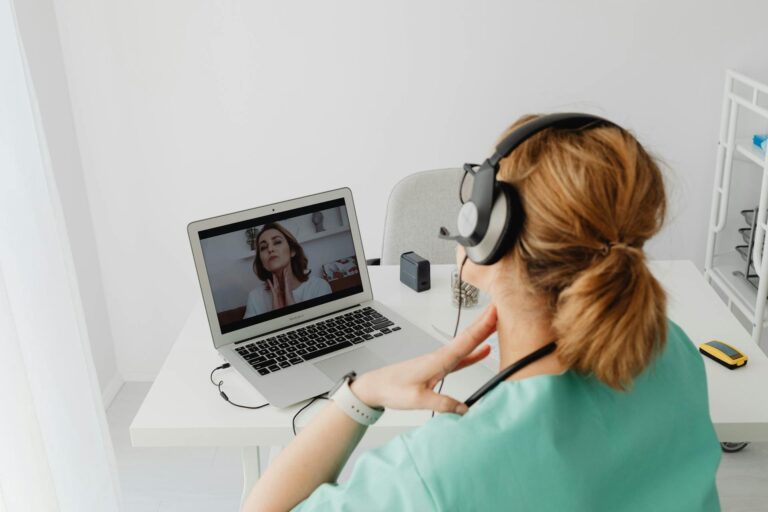


Starting therapy for the first time can feel intimidating, especially if you are unsure what actually happens in a session.
Films often show therapy as lying on a couch and revealing your deepest secrets. In reality, therapy, especially Cognitive Behavioural Therapy (CBT), is far more practical, structured, and empowering.
Anxiety is extremely common, and CBT is one of the most effective, research-backed treatments available.
CBT is just one of several evidence-based approaches available, and understanding the different types of therapy in the UK can help you decide what feels right for you.
The good news?
CBT is not about fixing you. It is about teaching you skills so you can regain control of your thoughts, feelings, and behaviours.
In this guide, we will explore what CBT feels like, how it helps with anxiety, and what you can expect from the process.
What is CBT, and Why Does It Work for Anxiety?
Think of CBT like working with a personal trainer for your mind.
Instead of lifting weights, you learn practical skills that help you reduce worry, challenge unhelpful thinking, and cope with stressful situations more confidently.
CBT helps you understand how anxiety works and, importantly, what keeps it going. Over time, you build new habits that break the cycle of worry and avoidance.
Many people also find it helpful to combine CBT skills with practical strategies for managing stress in everyday life.

What Skills Do You Learn in CBT?
CBT is practical, structured, and focused on building confidence step by step. Here are some of the main skills:
1. Self-Monitoring
You learn to track your thoughts, emotions, and behaviours so you can recognise what triggers your anxiety.
2. Challenging Anxious Thoughts
Rather than automatically believing worries, CBT teaches you to test whether a thought is accurate, helpful, or driven by anxiety.
3. Mindfulness
You practise noticing thoughts without judging them, which helps reduce their emotional impact.
4. Exposure Therapy
A gradual process of gently facing situations you avoid. Over time, your fear reduces as your confidence grows.

Common Myths About CBT (and the Truth)
Myth 1: CBT is only for severe anxiety
Fact: CBT can help anyone. Even mild or situational anxiety can benefit from learning better coping skills.
Myth 2: Progress only happens in sessions
Fact: Most progress happens between sessions, when you practise the skills in everyday life.
Myth 3: You have to stay in therapy forever
Fact: CBT is designed to be time-limited. The aim is to help you become your own therapist.
How Do You Know Therapy Is Working?
- Stressful situations feel easier to manage
- You avoid less and try more
- Your thoughts feel more balanced
- Anxiety no longer controls your decisions
Small steps matter. Confidence builds gradually, and lasting change follows.

Helpful Resources on CBT for Anxiety
Research consistently shows CBT is effective for anxiety:
- Mayo Clinic explains how CBT reduces anxiety symptoms
- A large-scale study shows CBT significantly lowers anxiety and depression
- Cochrane Review confirms online CBT is as effective as face-to-face therapy
- PubMed summarises decades of CBT research
CBT is also recommended by the NHS as an effective treatment for anxiety disorders.
CBT for Anxiety – Summary
CBT is one of the most effective treatments for anxiety because it teaches practical, long-term coping skills.
It helps you understand your thoughts, change unhelpful patterns, and face situations that once felt overwhelming.
You do not need to lie on a couch or share everything at once. With online CBT, support can be private, flexible, and accessible.
If you would like to explore further, you may find The Practical CBT + DBT + ACT Workbook helpful.

Barriers to Therapy and How Thillow Helps
Even with online therapy, many people face real obstacles when seeking help. Thillow was created to make starting CBT simple, flexible, and accessible.
Access: Finding the Right Therapist
Thillow gives you access to a wide range of CBT therapists, offering both online sessions and in-person appointments. You can browse profiles and choose someone who feels right for you.
Cost: Therapy That Fits Your Budget
Therapists on Thillow offer a range of prices, and you can spread payments using Klarna. Some in-person therapists may also accept insurance.
Stigma: Private and Comfortable Support
Online CBT allows you to start therapy from home, without waiting rooms or added pressure.
Time: Flexible Sessions
Many therapists offer morning, evening, or weekend availability, helping therapy fit around your life.