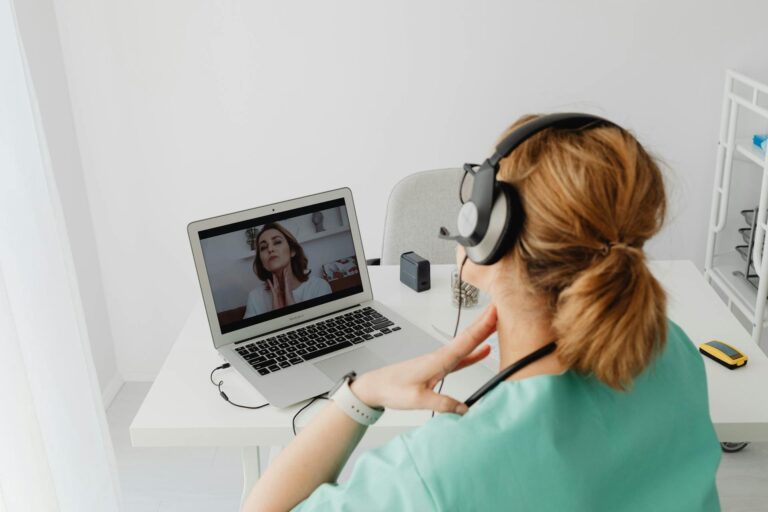


Stress is part of everyday life, but it doesn’t have to control you.
Most people experience stress at different points in their lives. Sometimes it’s obvious. Other times it builds quietly in the background until everything feels overwhelming.
By understanding what stress is, recognising how it shows up in your body and mind, and learning healthier ways to respond, you can begin to handle stress more calmly and intentionally.
This guide explores how to handle stress and anxiety by focusing on awareness, acceptance, and reclaiming control over your life.
What Is Stress and Why Does It Happen?
Stress is your body’s natural response to situations that feel demanding, threatening, or overwhelming.
It activates the nervous system to help you cope. This response is often called “fight or flight”.
Historically, stress helped humans survive danger. Today, the threats are usually psychological rather than physical. Deadlines, financial pressure, relationship difficulties, work demands, and uncertainty can all trigger the same biological response.
Stress itself is not always harmful.
Short-term stress can improve focus, motivation, and performance. Problems arise when stress becomes constant, and your body does not get a chance to recover.

Common Causes of Stress
Stress can be triggered by both obvious and subtle situations.
Common life stressors include:
- Work pressure or job insecurity
- Relationship difficulties
- Financial strain
- Illness or caring responsibilities
- Major life changes such as moving house, having a child, or bereavement
Less obvious stressors include:
- Ongoing uncertainty
- Lack of rest or downtime
- Too little stimulation or variety
- Feeling out of alignment with your values
Even positive changes can create stress if they require adjustment or increased responsibility.

How Stress Affects Your Body and Mind
When you feel stressed, your body releases hormones such as adrenaline and cortisol.
This can cause:
- Faster heart rate
- Shallow or rapid breathing
- Muscle tension
- Racing thoughts
- Heightened alertness
In the short term, this response can be helpful. When stress becomes chronic, it can affect both physical and mental health.
Long-term stress may contribute to:
- Anxiety or low mood
- Sleep problems
- Digestive issues
- Reduced immunity
- Difficulty concentrating
- Irritability or emotional exhaustion
Understanding how stress affects you personally is an important step toward managing it.

Learning to Recognise Stress Signals
Stress often shows up in the body before we consciously acknowledge it.
Common signs include:
- Tight shoulders, jaw, or neck
- Headaches
- Shallow breathing
- Feeling constantly “on edge”
- Difficulty switching off
Noticing these signals gives you a moment of pause.
That pause matters. It creates space to respond intentionally rather than reacting automatically.
Over time, recognising patterns can help you identify specific triggers, environments, or situations that increase your stress.

Acceptance: Letting Go of What You Can’t Control
A significant amount of stress comes from resisting reality.
Acceptance does not mean giving up or approving of difficult circumstances. It means acknowledging what cannot be changed and choosing how you respond.
Examples include:
- You cannot control other people’s behaviour, but you can control your response
- You may not prevent major life changes, but you can choose how you process them
- You cannot eliminate all stress, but you can reduce unnecessary struggle
Acceptance frees mental energy and allows you to focus on what is within your control.
When resistance softens, stress often reduces.
Reclaiming Control and Personal Power
Modern life places constant pressure on people to perform, compare, and meet external expectations. Not every demand deserves your energy.
Handling stress often involves:
- Setting boundaries
- Prioritising rest
- Saying no when needed
- Choosing what genuinely matters
Reclaiming control is not about doing more. It is about doing less of what drains you and more of what aligns with your values.
Stress reduces when your actions reflect your priorities rather than external pressure.

Aligning With Your Values
Stress often increases when life feels out of alignment.
When your time, energy, or commitments consistently conflict with your values, tension builds.
Living in alignment means:
- Making conscious choices
- Reducing people-pleasing
- Allowing yourself to balance
- Accepting that rest is productive
When actions and values match, challenges feel more manageable and stress loses its grip.
When Stress Becomes Too Much
If stress feels constant, overwhelming, or begins to affect your mental health, professional support can help.
Therapy can support you to:
- Understand your stress patterns
- Develop coping strategies
- Reduce anxiety and overwhelm
- Build emotional resilience
Many people seek therapy not because they are in crisis, but because they want healthier ways to cope and live.

FAQ: Handling Stress
We cover practical answers to the questions people ask most about therapy, from types of therapy to deciding if you need support, so you can make informed choices.
Start by recognising your stress signals, slowing your breathing, and creating small pauses. Awareness is the foundation of change.
No. Short-term stress can be motivating and helpful. Chronic, unmanaged stress is what causes problems.
Persistent stress may benefit from professional support. Therapy can help you understand triggers and develop coping strategies.
Yes. Many therapies focus on stress management, emotional regulation, and resilience building.
Final Thoughts
Stress is a natural part of life, but it does not have to dominate your experience.
By understanding what stress is, recognising how it affects you, accepting what you cannot control, and making intentional choices, you can begin to handle stress more calmly and confidently.
Small changes build resilience over time.
If you feel you need additional support, exploring therapy options can be a positive next step toward a more balanced life.
Taking the first step can feel daunting, but you don’t have to do it alone. Explore our therapist directory and book a consultation that works for you.