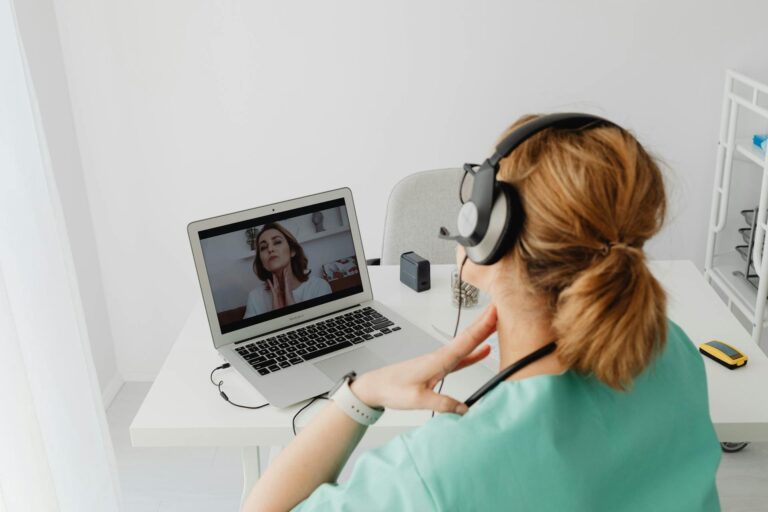


Anxiety is something almost everyone experiences at some point. Feeling anxious from time to time is normal. It helps you pay attention to challenges and stay alert. But when anxiety becomes frequent, intense, or hard to manage, it can start affecting your daily life.
If you feel your anxiety is impacting your work, relationships, or general well-being, support is available. You can browse verified therapists on Thillow to find professional guidance tailored to your needs. For more information, you can also visit the NHS anxiety page or Mind UK resources.
Understanding Anxiety
Anxiety affects people in different ways, both physically and mentally. Common physical symptoms include:
- Dry mouth
- Tingling hands or feet, cold sweat, numbness
- Shortness of breath or hyperventilation
- Heart palpitations
- Tense muscles
- Nausea or dizziness
These symptoms can feel alarming, but they are usually not dangerous. Anxiety can also take many forms.
Some common types include:
Generalised Anxiety Disorder (GAD)
Ongoing worry about everyday matters like work, health, family, or finances.
Panic Disorder
Sudden episodes of intense fear, often with physical symptoms like shaking or shortness of breath.
Social Anxiety Disorder
Fear of being judged or embarrassed in social situations.
Specific Phobias
Strong fears of specific situations or objects, e.g., heights, tight spaces, open spaces.
Separation Anxiety
Distress when away from a loved one.
Selective Mutism
Difficulty speaking in certain social settings, often in children.
Obsessive–Compulsive Disorder (OCD)
Unwanted thoughts (obsessions) and repetitive behaviours (compulsions)
Post-Traumatic Stress Disorder (PTSD)
Following trauma, symptoms can include flashbacks, nightmares, and hypervigilance.
No matter the type, anxiety is treatable. Many people learn to manage it effectively with support, strategies, and therapy.

What Causes Anxiety?
Anxiety rarely comes from a single cause.
Most people experience it due to a combination of factors:
- Stressful life events: Work pressure, school, relationships, or major changes
- Family history: Mental health conditions may run in families
- Past trauma or difficult experiences: Accidents, abuse, or upsetting events
- Personality traits: Being sensitive, perfectionistic, or prone to worry
- Physical health issues: Chronic illness, hormonal changes, or medical conditions
- Substance use: Alcohol, caffeine, recreational drugs, or some medications
- Environmental stress: High-pressure or uncertain surroundings
- Poor sleep or long-term stress
Anxiety rarely comes from a single cause.
Most people experience it due to a combination of factors:
Understanding your triggers is a crucial first step toward managing anxiety. For more detailed tips, see How to Cope With Anxiety.

Practical Tips to Manage Anxiety
Managing anxiety often involves lifestyle changes, coping strategies, and professional support.
- 1. Practice Gratitude: Look for small positives each day, a meal you enjoyed, the sun shining, or connecting with loved ones.
- 2. Avoid Alcohol and Recreational Drugs: These can worsen anxiety. If you struggle to stop, seek support.
- 3. Improve Sleep: Establish a calming bedtime routine. Sleep meditations can help your mind unwind.
- 4. Stay Connected: Talk to friends, join support groups, or spend quality time with family. Social support reduces social anxiety.
- 5. Get Creative: Painting, writing, cooking, or other creative outlets let you express emotions freely and reduce stress.
- 6. De-clutter and Organise: Clearing physical and mental space can reduce anxiety and create a sense of control.
- 7. Learn Relaxation Techniques: Mindfulness, meditation, breathing exercises, or listening to calming music. Mindfulness apps can guide practice.
- 8. Physical Exercise: Walking, swimming, dancing, or aerobic workouts release brain chemicals that lower stress and improve mood.
For more practical resources, see Mind UK self-help tips.

Professional Support for Anxiety
Talking Therapy
Trained therapists provide a safe space to explore thoughts and feelings.
Cognitive Behavioural Therapy (CBT)
Helps identify negative thought patterns and replace them with healthier responses. Learn more about CBT for Anxiety.
EMDR
Helps process trauma that contributes to anxiety.
In-Person vs Online Therapy
- In-person therapy is helpful for intense anxiety or complex situations.
- Online therapy offers flexibility and privacy, ideal for busy schedules or remote locations. Learn more in Online Therapy for Anxiety.
How Thillow Helps
- Verified therapists: fully qualified and vetted
- Transparent pricing: see session fees upfront
- Flexible booking: choose in-person or online
- Privacy and discretion: sessions are confidential

What to Expect from Anxiety Therapy
First sessions usually focus on:
- Helps process traumatic memories using bilateral stimulation
- Reduces distress linked to past events
- Best for: PTSD, complex trauma, childhood distress
Sessions are typically 50–60 minutes weekly. Therapists act as guides, helping you develop coping skills, reduce stress, and improve emotional regulation. Over time, many notice reduced anxiety and a stronger sense of control.
FAQs
We provide clear, practical answers to the most common questions about anxiety, therapy options and knowing when to seek support, so you can make informed decisions about your mental health.
Anxiety is a natural stress response, but it becomes a concern when it’s constant, intense, or interferes with daily life. Common signs include persistent worry, restlessness, difficulty concentrating, or physical symptoms like a racing heart or tense muscles.
Common types include
Generalised Anxiety Disorder (GAD),
Panic Disorder,
Social Anxiety Disorder,
Specific Phobias,
PTSD,
OCD,
Separation Anxiety.
Each has distinct patterns and triggers, and understanding them helps guide treatment.
Anxiety can arise from a mix of factors: stressful life events, family history, past trauma, personality traits, physical health issues, or environmental pressures. Often it’s a combination rather than a single cause.
Practical steps include practising relaxation techniques, improving sleep, exercising regularly, staying connected with supportive people, managing substance use, and engaging in creative or mindful activities.
Consider professional support if anxiety affects your work, relationships, or day-to-day functioning, or if self-help strategies aren’t enough. Early support is often the most effective.
Therapies include Cognitive Behavioural Therapy (CBT), talking therapy, EMDR for trauma-related anxiety, and other evidence-based approaches tailored to your needs.
Yes. Online therapy provides flexibility and privacy, allowing you to access qualified therapists from home while still receiving effective treatment.
Therapy fees vary depending on location, experience, and specialism. In the UK, sessions typically range from £50 to £120 per session.
Some therapists offer sliding-scale rates or concession spaces. It is completely acceptable to ask about fees during your initial enquiry.
Look for fully vetted professionals. On Thillow, you can browse verified therapists, see transparent pricing, and book online or in-person sessions.
Taking the first step can feel daunting, but you don’t have to do it alone. Explore our therapist directory and book a consultation that works for you.