

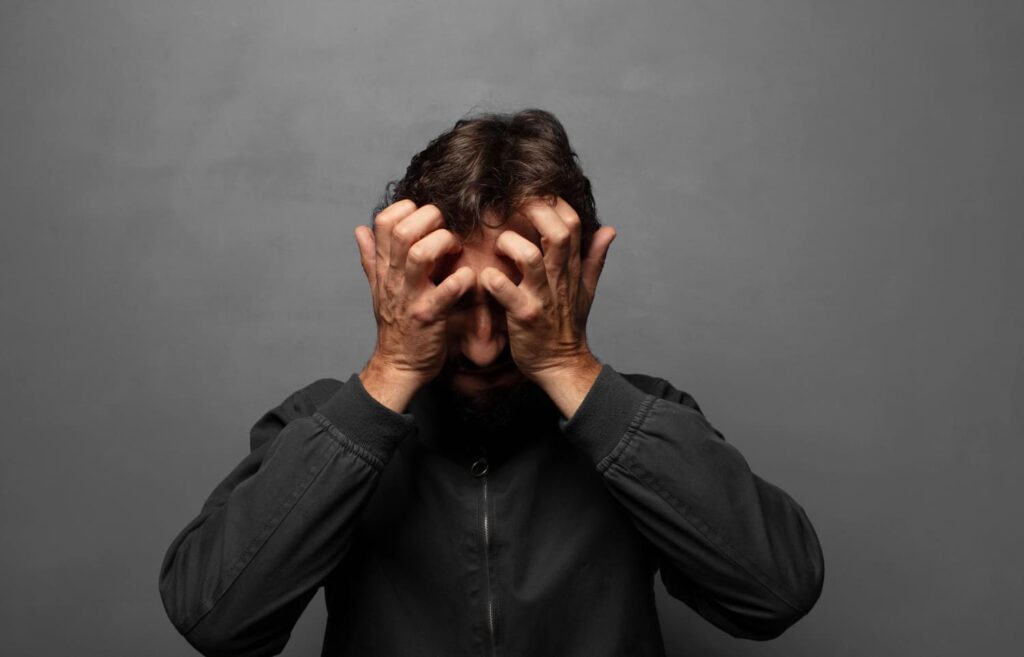
Anxiety is something almost everyone experiences at some point in life. It is the feeling of worry, nervousness, or unease that shows up when we feel under pressure or uncertain about what might happen next.
In many situations, anxiety is a normal and even helpful response. It can sharpen focus, encourage preparation, and help keep you safe. However, when anxiety becomes intense, persistent, or difficult to manage, it can start to interfere with daily life.
This article explains what anxiety is, how it affects the body and mind, and the main types of anxiety disorders.
If you are looking for practical ways to manage anxiety, you can read our in-depth guide here:
How to cope with anxiety.
Understanding Anxiety
Anxiety is your body’s natural response to stress. It activates the nervous system and prepares you to deal with perceived threats, whether physical or emotional.
Problems arise when this response is triggered too often, too strongly, or without a clear reason. Instead of helping, anxiety can begin to feel overwhelming or exhausting.
According to the NHS, anxiety disorders are among the most common mental health conditions and can affect people of all ages.
Common Physical Symptoms of Anxiety
Anxiety does not only affect thoughts and emotions. Many people notice physical symptoms, which can sometimes feel frightening.
Common physical symptoms include:
- Shortness of breath or rapid breathing
- Heart palpitations or a racing heartbeat
- Muscle tension
- Dizziness or light-headedness
- Nausea or stomach discomfort
- Tingling, sweating, or cold hands and feet
Although uncomfortable, these symptoms are not dangerous. They are part of the body’s stress response.

Emotional and Mental Symptoms of Anxiety
Alongside physical sensations, anxiety can affect how you think and feel.
You may notice:
- Constant worry or racing thoughts
- Difficulty concentrating
- Feeling restless or on edge
- Irritability
- Trouble relaxing
- A sense that something bad is about to happen
When these symptoms persist, they can start to impact work, relationships, sleep, and confidence.
Types of Anxiety Disorders
Anxiety can present in different forms. Understanding the type of anxiety you are experiencing can make it easier to seek the right support.
Generalised Anxiety Disorder (GAD)
Ongoing and excessive worry about everyday matters such as work, health, or family, often without a clear cause.
Panic Disorder
Sudden episodes of intense fear known as panic attacks, which may include breathlessness, chest pain, or dizziness.
Social Anxiety Disorder
Strong fear of being judged, embarrassed, or rejected in social situations.
Specific Phobias
Intense fear of particular objects or situations, such as heights, enclosed spaces, or flying.
Obsessive–Compulsive Disorder (OCD)
Intrusive thoughts (obsessions) and repetitive behaviours (compulsions) are performed to reduce anxiety.
Post-Traumatic Stress Disorder (PTSD)
Anxiety symptoms following a traumatic event, including flashbacks, nightmares, or feeling constantly on edge.

When Anxiety Becomes a Problem
Anxiety may be worth addressing if it:
- Feels difficult to control
- Lasts for weeks or months
- Interferes with daily life, work, or relationships
- Affects sleep or physical health
If anxiety is having this level of impact, support can make a real difference.
Support Is Available
Anxiety is common, treatable, and nothing to be ashamed of. Many people find relief through understanding their symptoms, learning coping strategies, and talking to a trained professional.
If you want to explore practical tools and next steps, read our full guide here: How to cope with anxiety
If you would like personal support, you can browse verified therapists and counsellors on Thillow and choose someone who feels right for you.